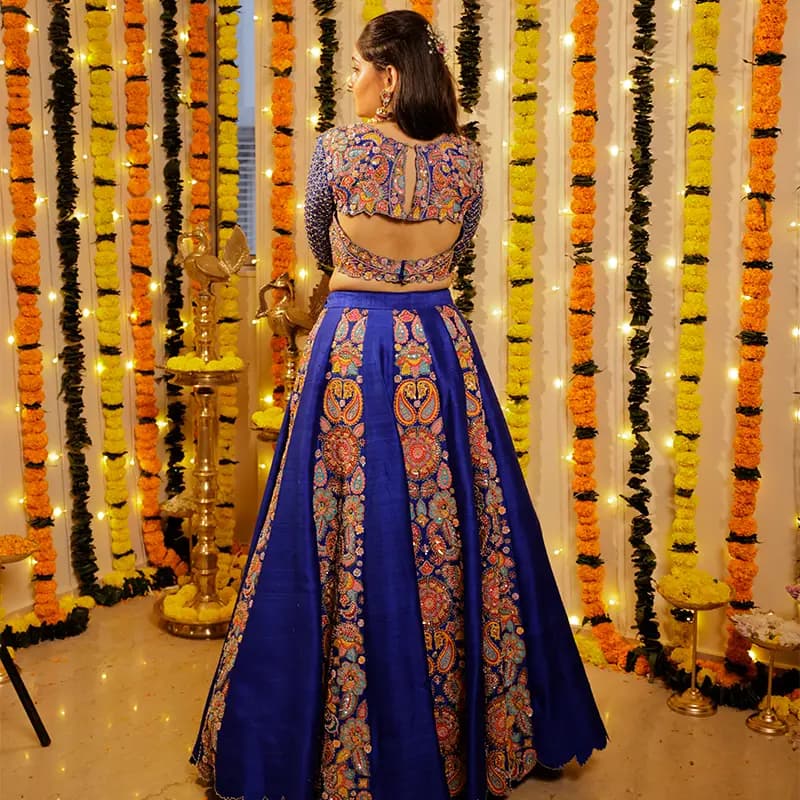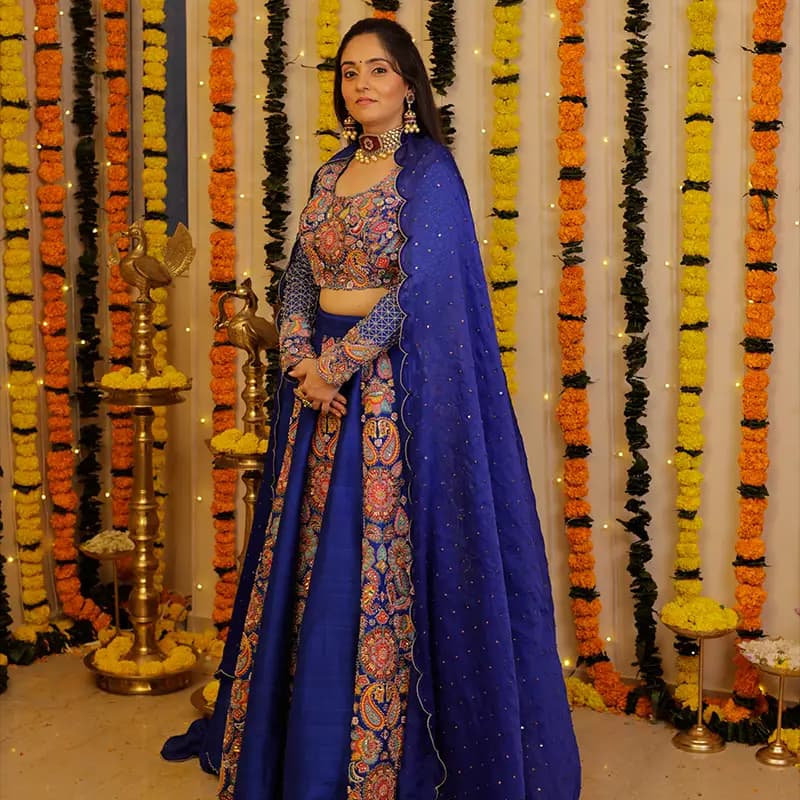
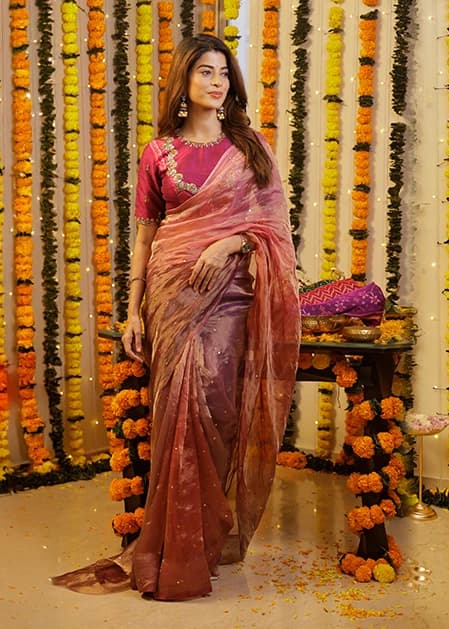
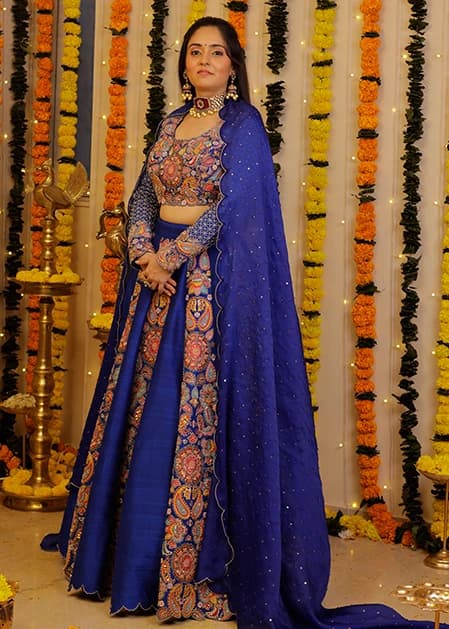
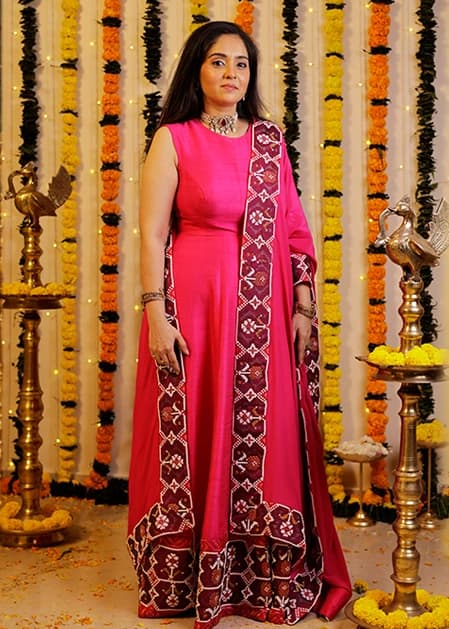
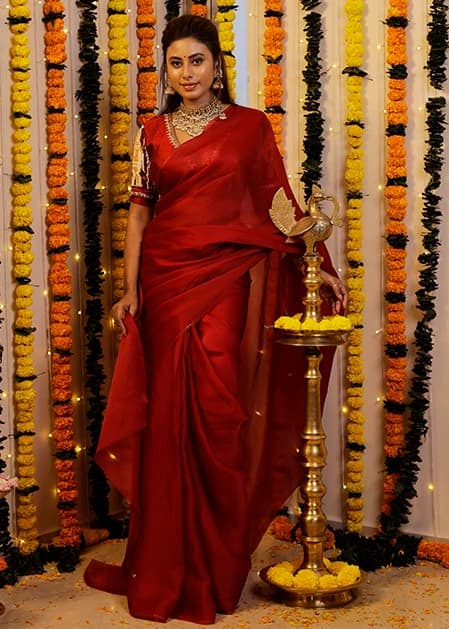
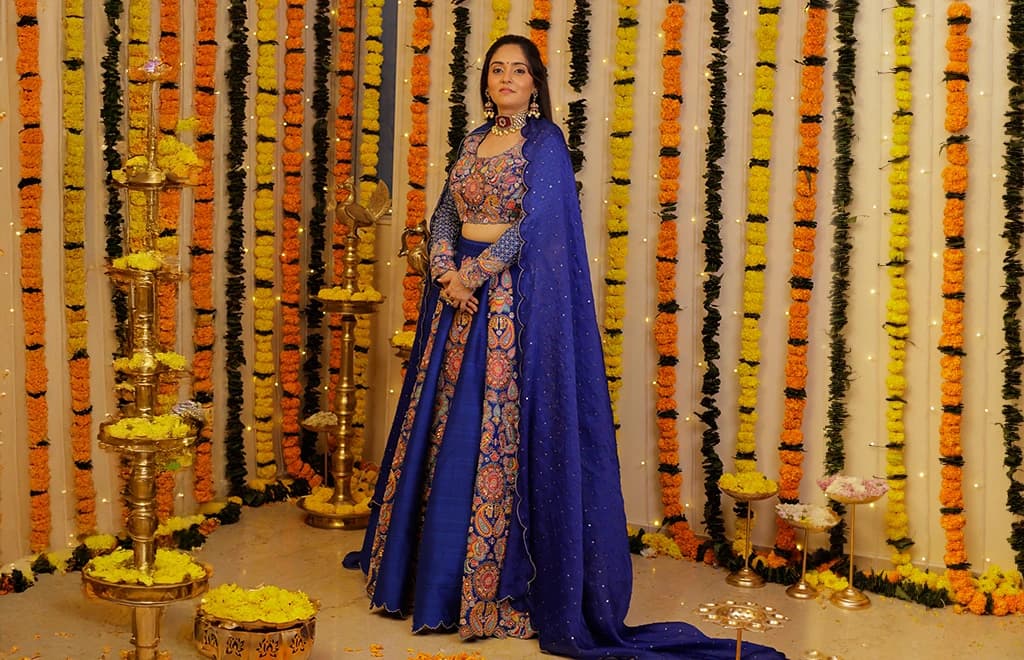
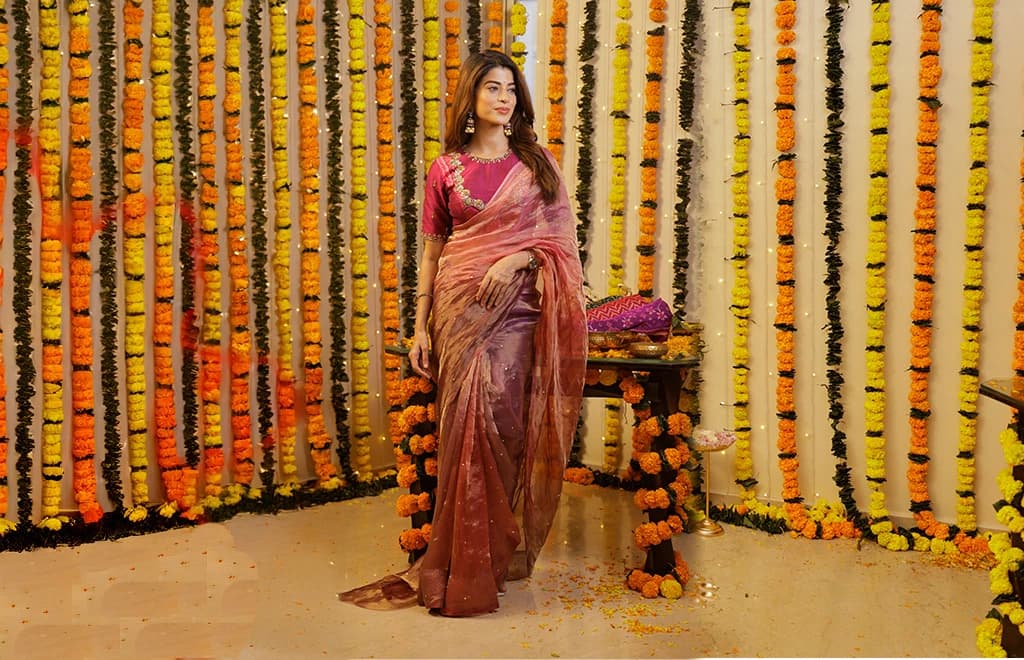
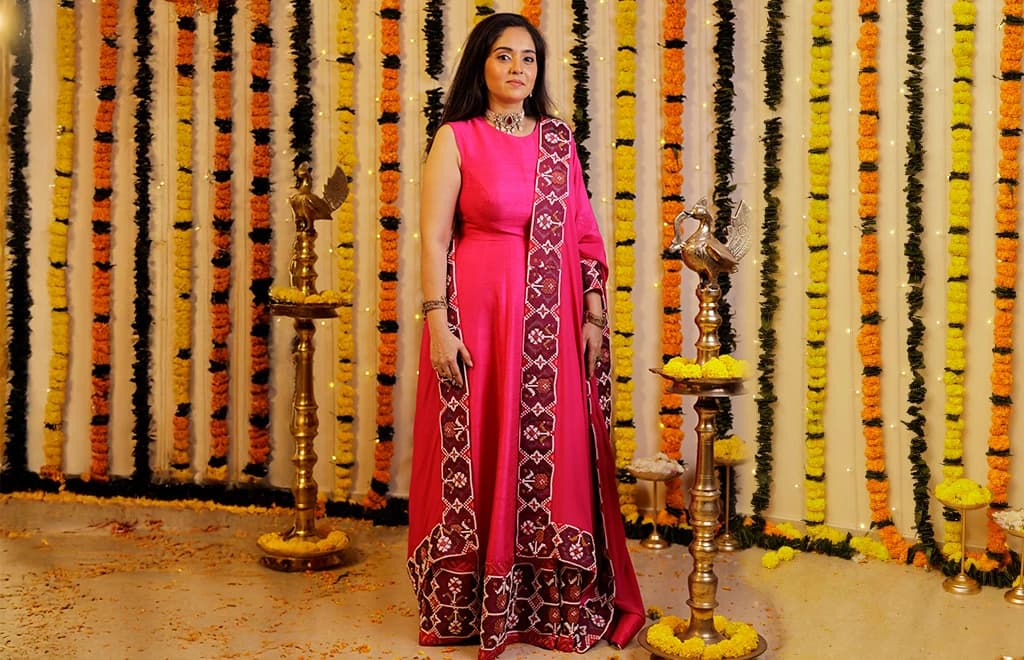
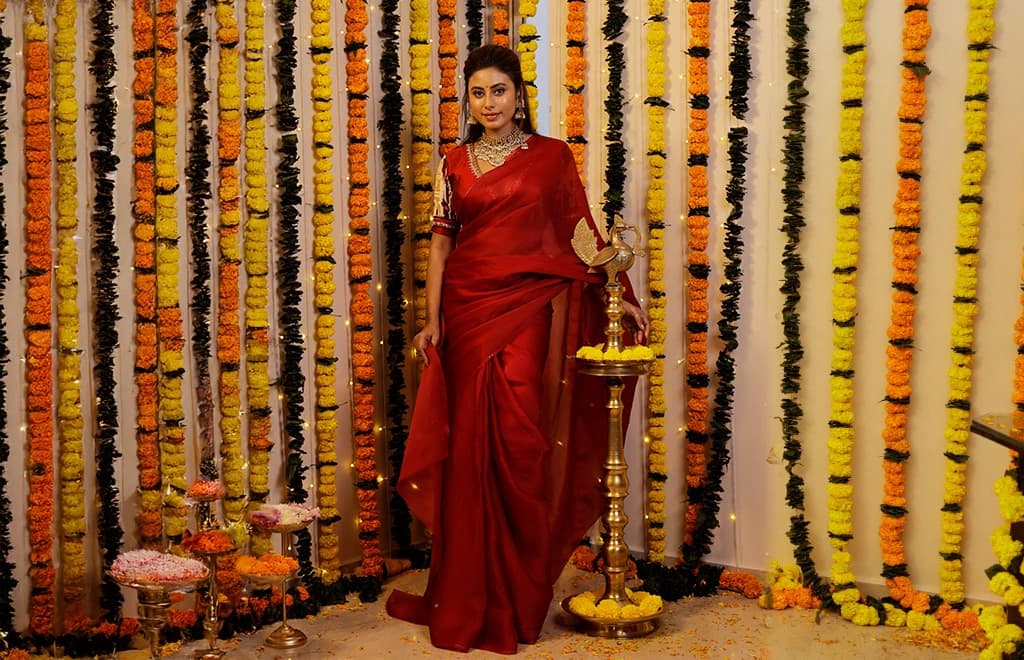
Customised Patola Modern Outfits.
HANDWOVEN. HOMEGROWN. HAUTE COUTURE.

History of Patola

Patan’s Royal Weave
( 12th Century )
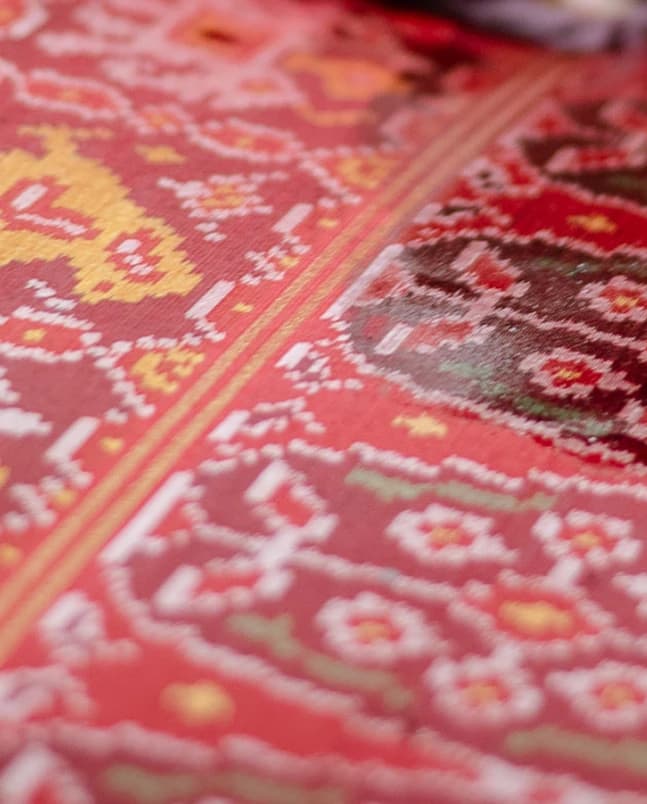
Patola silk has a history that dates back to the 12th century when master weaver families (Salvi) migrated from Maharashtra to Patan (Gujarat). The silk became very popular among the Solanki Rajput dynasty during their rule. Patola is known as an extraordinary textile in India and continues to be an extremely valuable form of textiles today, used in religious ceremonies and by royalty as proof of status, faith & extraordinary skillfulness.

The Artisans of Rajkot
( 17th–19th Century )
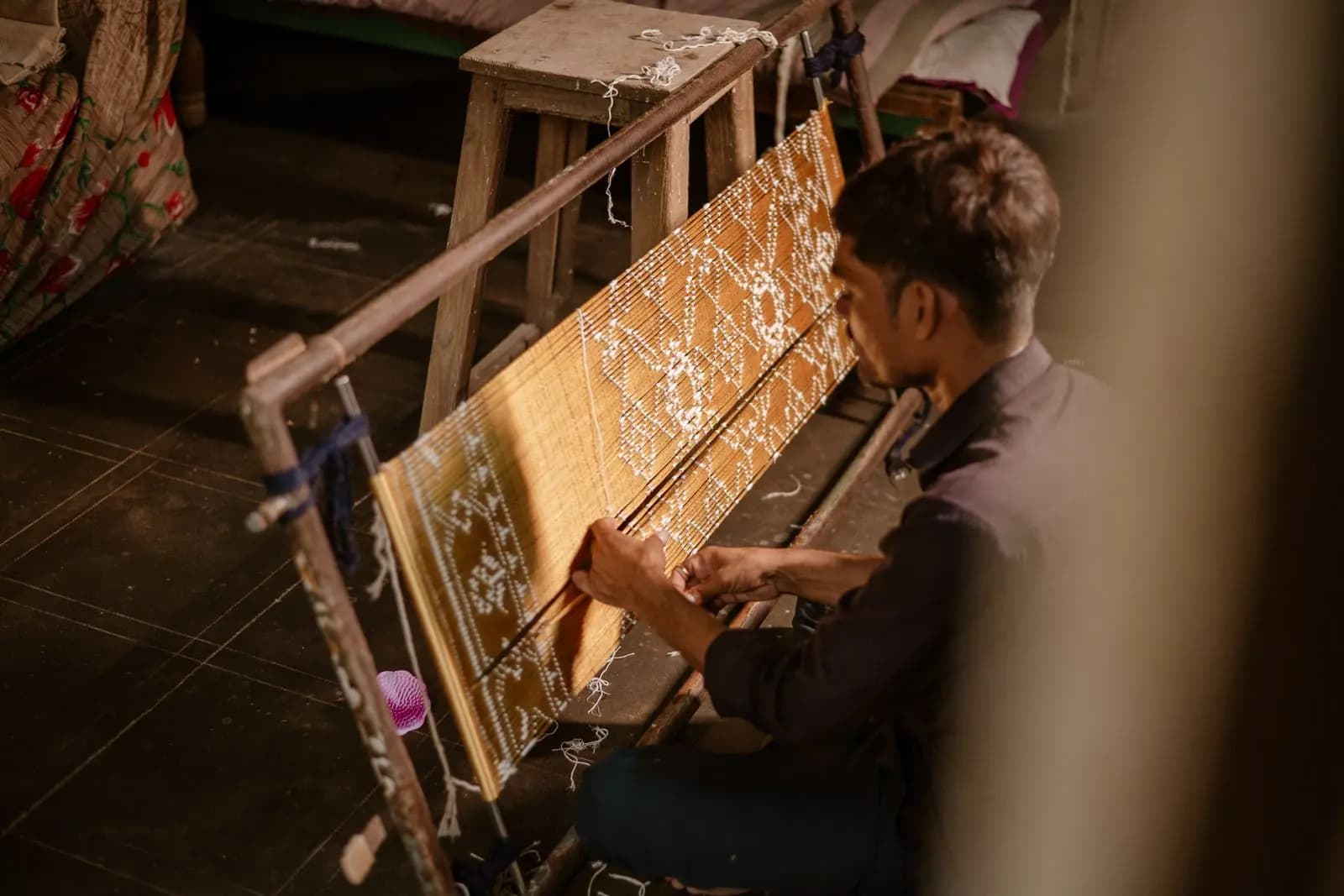
From the 17th Century through the 19th Century, various people from the Salvi community migrated to Rajkot, marking a new chapter in the story of Patolaweaving. Although Patan would continue to be associated with the highly intricate double ikat style of weaving, Rajkot developed into a centre for the production of single ikat handloom products. The single ikat handloom creations maintained their commitment to high-quality craftsmanship with the added benefit of being handcrafted; thus, the final product differed from the double ikat style only in terms of the complexity of the weaving process (i.e. much greater skill required for the double ikat).

Revival, Reinvention, and Global Reach
( Present Day )
Patola heritage is currently having a revival, but its journey has extended beyond just sarees into new forms of expression in modern indoors and Western styles. Designers are using Patola to create dresses, co-ordinated sets and gowns as a way of revitalising this historical weave while still maintaining the cultural integrity of the weave.
History of Patola
Patan’s Royal Weave
( 12th Century )
Patola silk has a history that dates back to the 12th century when master weaver families (Salvi) migrated from Maharashtra to Patan (Gujarat). The silk became very popular among the Solanki Rajput dynasty during their rule. Patola is known as an extraordinary textile in India and continues to be an extremely valuable form of textiles today, used in religious ceremonies and by royalty as proof of status, faith & extraordinary skillfulness.
History of Patola
The Artisans of Rajkot
( 17th–19th Century )
From the 17th Century through the 19th Century, various people from the Salvi community migrated to Rajkot, marking a new chapter in the story of Patolaweaving. Although Patan would continue to be associated with the highly intricate double ikat style of weaving, Rajkot developed into a centre for the production of single ikat handloom products. The single ikat handloom creations maintained their commitment to high-quality craftsmanship with the added benefit of being handcrafted; thus, the final product differed from the double ikat style only in terms of the complexity of the weaving process (i.e. much greater skill required for the double ikat).
History of Patola
Revival, Reinvention, and Global Reach
( Present Day )
Patola heritage is currently having a revival, but its journey has extended beyond just sarees into new forms of expression in modern indoors and Western styles. Designers are using Patola to create dresses, co-ordinated sets and gowns as a way of revitalising this historical weave while still maintaining the cultural integrity of the weave.
A Journey Woven from Passion, Purpose, and Fabric
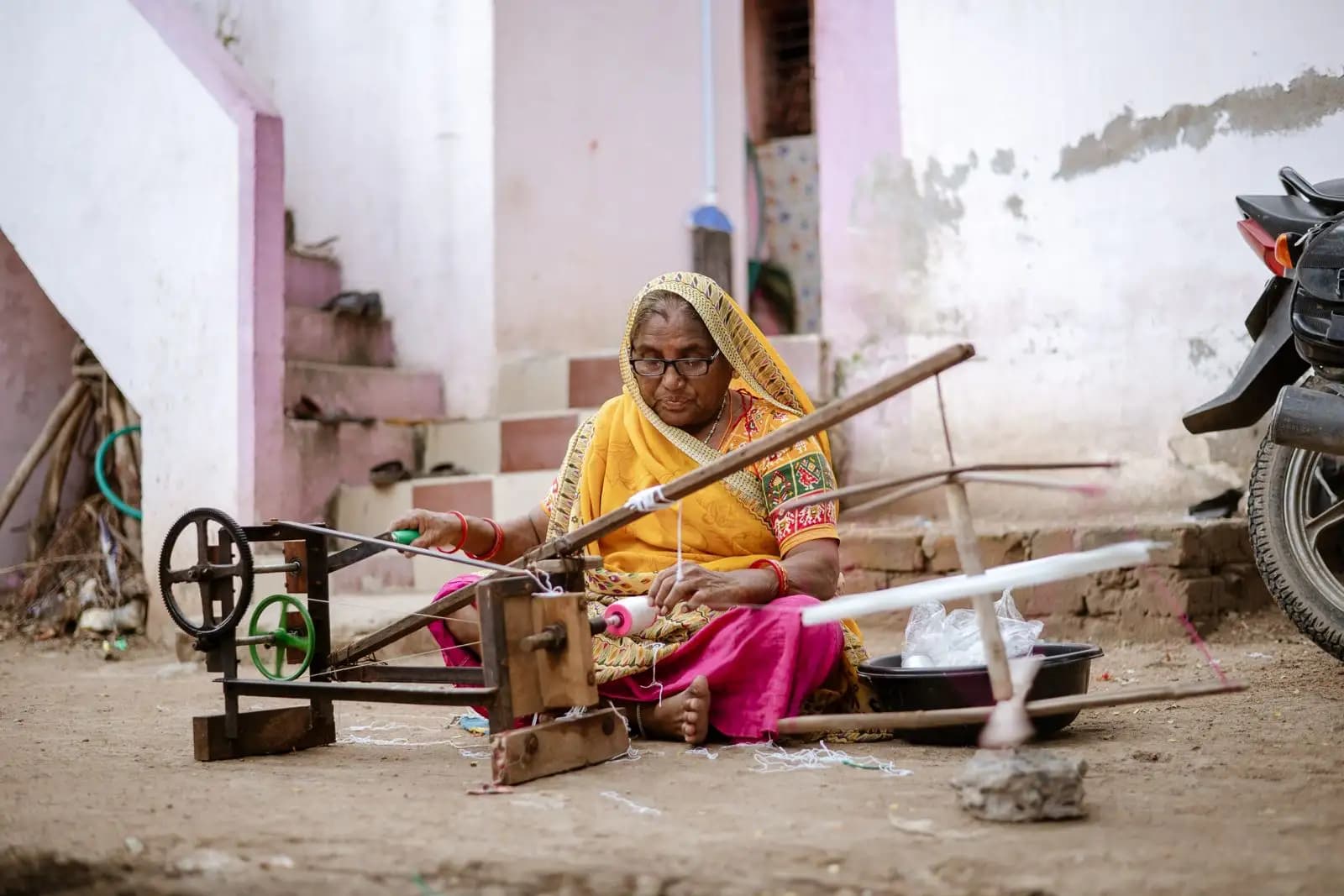
At The House of Patola, design has never been just about fashion. It has always been our way of life, shaped by Patola and Patola silk, craftsmanship, and Indian clothing traditions. From the very beginning, we chose fabric over readymade online dresses, creating our own Indian outfits through skilled local artisans. What began as a personal choice slowly revealed itself as the foundation of our journey into Indian ethnic wear.
The turning point came when our founder, Pujaa Shah, welcomed her daughter into the world. With that moment came a desire to build something meaningful. Not just a brand, but a legacy rooted in traditional Indian clothing that her daughter could one day look up to. This label was born from that vision, reflecting identity, culture, and purpose through Indo Western outfits for women designed for today’s generation.
We are not defined by conventional certifications or fleeting trends. Instead, we are guided by instinct, emotion, and an unshakable connection to Patola heritage. Every piece we create, from designer gowns and lehenga dress styles to festive dresses for women and wedding outfit collections, carries this essence. A celebration of Indian wear, individuality, and timeless craftsmanship expressed through modern Indo Western attire.