Explore the future of Patola weaving in a sustainable fashion world. Discover how this heritage handloom craft blends tradition, eco conscious practices, and modern innovation to stay relevant globally.
Published on 6 January, 2026
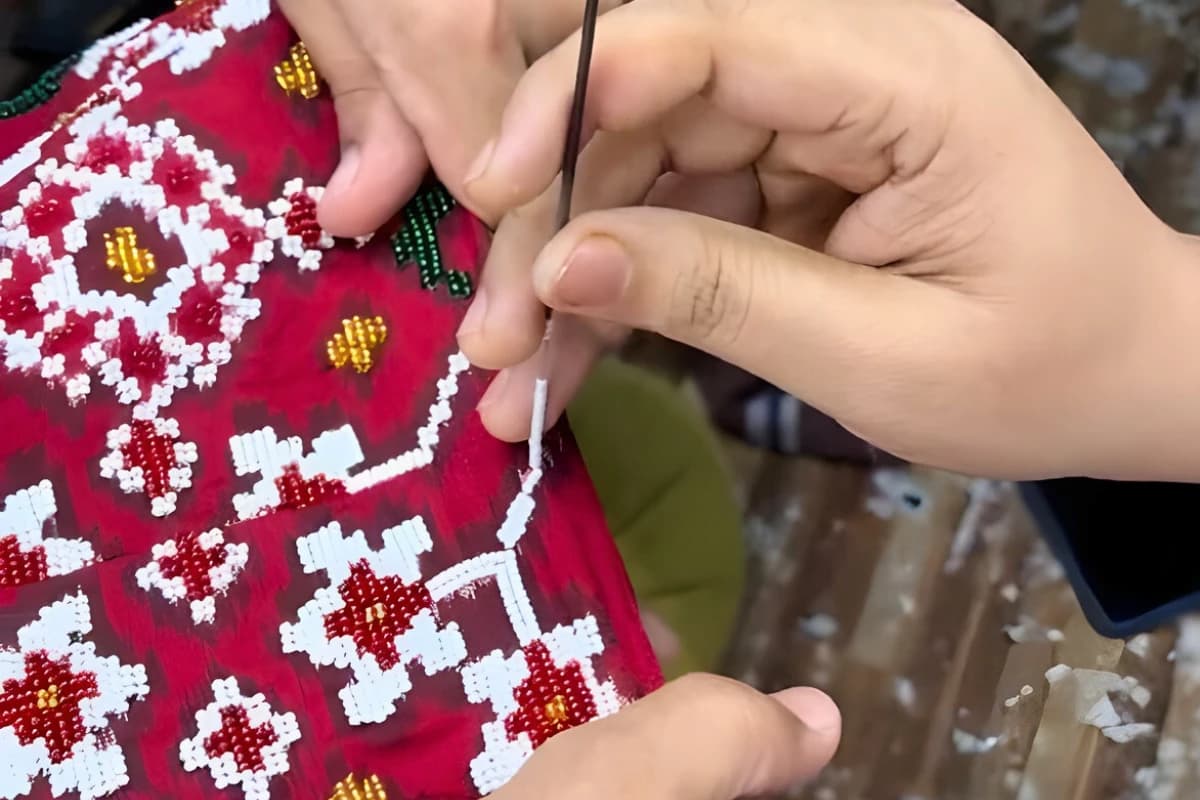
The weaving process of Patola is an ageless artwork, which has been rooted deeply within the Indian traditions. Known for its double-ikat weaving process as well as its symmetrical designs, Patola has always been designated as among the most prestigious forms of handloom weaving patterns across the world. But in the modern era, where there arises an increasing demand for sustainable transformations within the world of fashion, its ability to adapt to change while maintaining its authenticity becomes highly essential for determining its relevance within the ages to come.
The origins of Patola weaving can be traced back to Patan, Gujarat, and this ancient craft is renowned for its exquisite weaving and minute details. The process of making a single Patola sari takes a considerable amount of time, even months, as every piece captures the cultural heritage, history, and artistic skills of this place in its own way. But, as with almost all ancient arts, Patola weaving too faces challenges in the modern era. The increased production of copies, even “Patola-inspired” ones, rising costs of raw materials, and a shortage of skilled weavers have affected this traditional cottage industry. Thus, maintaining its relevance within the current context, sustainably integrating the traditional Patola weaving technique with fashion has become the need of the hour for not only this craft but the entire fashion industry as well.
Unlike the massive production of textile products in industries, Patola weaving is sustainable in a natural manner. It consumes very low electricity to reduce carbon emissions. Moreover, no machines, but expert hands alone, work on weaving. Natural dyeing or environmentally friendly processing of threads is employed wherever possible to cut down on chemical effects on nature. Most importantly, Patola has a philosophy to consume in quality, not in quantity, with a point to contest fast fashion.
The reason why Patola is considered a sustainable textile option is that each piece from Patola is made by hand; therefore, it is unique, durable, and meant to last for several generations, thus less wasteful compared to synthetic fibres produced by mass production methods that are often considered less environmentally friendly.
Technology has brought about new ways for Patola weaving to reach a wider audience. The use of social media allows designers or brands to post the stories and making of each product through Patola weaving, and e-commerce sites allow for the sale of items without middlemen. Moreover, online exhibitions and marketing campaigns inform consumers about the making of authentic handlooms. The increased online recognition not only raises awareness about Patola weaving but also helps to build a strong demand for authentic Patola weaving in a rapidly developing fashion world.
If it is to become a sustainable entity, Patola has to develop in a manner that retains the richness of its cultural heritage, yet dwells upon incorporates changes for sustainable living. Using eco-friendly materials, collaborating with designers for a lifestyle range, as well as limited collections for sustainable living, would ensure that this craft does not go redundant, but is incorporated into fashion for sustainable living. Workshops and learning sessions to learn and impart knowledge to the young about such complex weaves would be ongoing to ensure that the tradition of Patola is kept alive through sustainable textile production.
Patola weaving is not an issue of adapting to change but one of claiming a new status within the contemporary fashion world. Thus, coming full circle at a time and place where the concepts of sustainability, authenticity, and thoughtful creation have become the hallmark, such a classic craft has plenty of answers within itself because of its skills and tradition. With proper handling of it and increased exposure across the globe, with platforms such as The House of Patola, Patola weaving is all set to shatter the mould of conservation and make a breakthrough into conscious fashion with an outlook towards the future, because true heritage always moves ahead rather than melting into the background.

Discover how to style Patola silk for weddings, festive events and modern celebrations. From bridal lehengas to Indo Western outfits, explore elegant ways to wear handwoven Patola with timeless sophistication.
Published on 25 February, 2026

Explore how Patola outfits are redefining the modern wardrobe by blending traditional Indian handloom silk with contemporary Indo Western styles. Discover timeless craftsmanship, double ikat weaving, and sustainable luxury with The House of Patola.
Published on 15 February, 2026
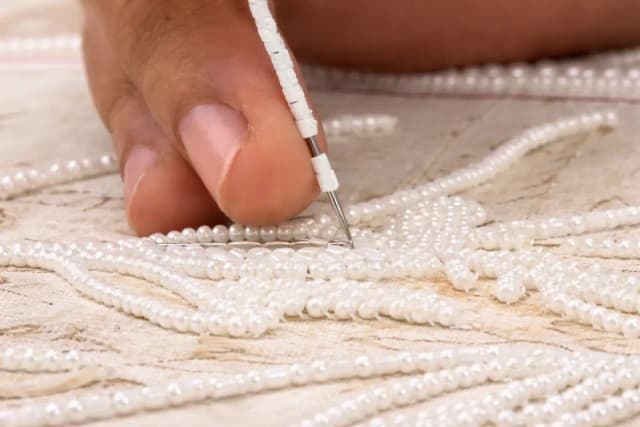
Discover how The House of Patola supports local artisans while reinventing traditional Patola silk into modern Indo-Western fashion for today’s generation.
Published on 8 February, 2026